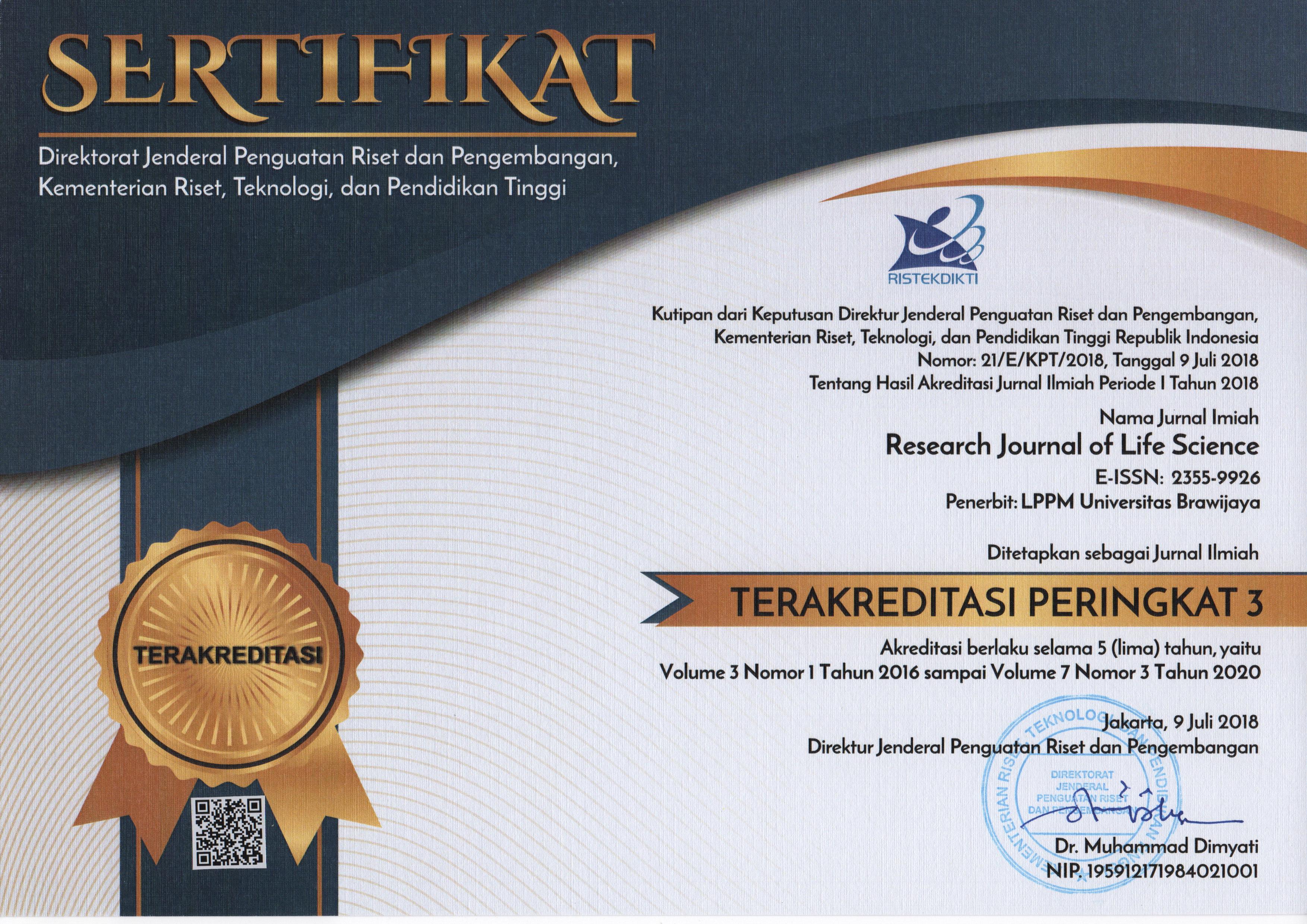
Acreditation Certificate


 Email this article (Login required)
Email the author (Login required)




Journal Index






Growth of Beauveria bassiana combined with MIPC Insecticide and its efficacy to control the brown planthopper Nilaparvata lugens
Abstract
Keywords
Full Text:
PDFReferences
Akbar, S., Freed, S., Hameed, A., Gul, H. T, Akmal, M., Malik, M. N., Naeem. M., and Khan, M. B. 2012. Compatibility of Metarhizium anisopliae with different insecticides and fungicides. African Journal of Microbiology Research, 6(17):3956-3962. https://academicjournals.org/journal/AJMR/article-abstract/B76523A18348.
Alizadeh, A, Samih, M. A., Khezri, M., Riseh, R. S. 2007. Compatibility of Beauveria bassiana (Bals.) Vuill. Eith several insecticides. International Journal of Agriculture & Biology, 9(1):31-34. http://www.fspublishers.org/published_papers/19773_...pdf.
Alves, R. T., Bateman, R. P., Prior, C., Leather, S. R. 1998. Effects of simulated solar radiation on conidial germination of Metarhizium anisopliae in different formulations. Crop Protection, 17(8): 675-679. https://doi.org/10.1016/S0261-2194(98)00074-X.
Chung, T. C., Sun, C. N., Hung, C. Y. 1982. Resistance of Nilaparvata lugens to Six Insecticides in Taiwan. Journal of Economic Entomology, 75(2): 199–200. https://doi.org/10.1093/jee/75.2.199
de Oliveira, C. N., Neves, P.M.O.J., Kawazoe, L.S. 2003. Compatibility between the entomopathogenic fungus Beauveria bassiana and insecticides used in coffee plantations. Scientia Agricola, 60 (4): 663 - 667.
Faraji, S., Shadmehri, A.D., Mehrvar, A. 2016. Compatibility of entomopathogenic fungi Beauveria bassiana and Metarhizium anisopliae with some pesticides. Journal of Entomological Society of Iran, 36(2): 137-146. https://www.sid.ir/en/journal/ViewPaper.aspx?id=547764.
Fauziah, F., Dadan R. 2016. Kompatibilitas Jamur Entomopatogenik Paecilomyces fumosoroseus dengan Beberapa Bahan Aktif Pestisida Secara in vitro. Pusat Penelitian Teh dan Kina Gambung. Jurnal Agro, 3(2): 1-7. https://doi.org/10.15575/801.
Gentz, M. C., Gregory M., and Glenn F. 2010. Tandem Use of Selective Insecticides and Natural Enemies for Effective, Reduced-risk Pest Management. Biological Control 52: 208–215. https://doi.org/10.1016/j.biocontrol.2009.07.012.
Hasibuan, R. 2004. Evaluasi Lapang Terhadap Dampak Aplikasi Insektisida Isoprocarb pada Serangga Predator dan Hama Kutu Perisai Aulacaspis tegalensis Zhnt. (Homoptera: Diaspiridae) di Pertanaman Tebu. Jurnal Hama dan Penyakit Tumbuhan Tropika, 4(2): 68-73.
Hasibuan, R. 2012. Insektisida Pertanian. Lembaga Penelitian Universitas Lampung. Bandar Lampung. https://issuu.com/aprohansaputra/docs/rosma. Diakses 10 April 2017.
Hasyim, A., Wiwin S., Abdi H., Luthfy. 2016. Sinergisme Jamur Entomopatogen Metarhizium anisopliae dengan Insektisida Kimia untuk Meningkatkan Mortalitas Ulat Bawang Spodoptera exigua. Jurnal Hortikultura, 26(2): 257-266. http://dx.doi.org/10.21082/jhort.v26n2.2016.p257-266.
Indiati, S. W. 2012. Pengaruh Insektisida Nabati dan Kimia terhadap Hama Thrips dan Hasil Kacang Hijau. Jurnal Penelitian Pertanian Tanaman Pangan, 31 (3): 152.
Iswanto, E. H., Rahmini, B. N., Yuliantoro B. 2016. Antisipasi Ledakan Wereng Cokelat (Nilaparvata lugens) dengan Penerapan Teknik Pengendalian Hama Terpadu Biointensif. Ilmu Pengetahuan dan Teknologi Tanaman Pangan, 11(1), 9-18.
Jia, D., Guo, N., Chen, H., Akita, F., Xie, L., Omura T., Wei, T. 2012. Assembly of the viroplasm by viral non-structural protein Pns10 is essential for persistent infection of rice ragged stunt virus in its insect vector. Journal of General Virology, 93(10): 2299‐2309. https://doi:10.1099/vir.0.042424-0.
Lee, C. Y. 2000. Sublethal Effects of Insecticides on Longevity, Fecundity, and Behavior of Insect Pests: A Review. Journal of Bioscience, 11(1-2): 107-112.
Martono, E. 1999. Pertimbangan Fluktuasi dalam Perhitungan Efikasi Pestisida. Jurnal Perlindungan Tanaman Indonesia 5(1): 60 – 66.
Neves, P. M. O. J., Hirose, E., Tchujo, P. T., Moino, A. Jr. 2001. Compatibility of Entomopathogenic Fungi with Neonicotinoid Insecticides. Neotropical Entomology, 30(2): 263. http://dx.doi.org/10.1590/S1519-566X2001000200009.
Nurbaeti, B., Diratmaja, I. G. P. A, Sunjaya, P. 2010. Hama Wereng Coklat (Nilaparvata lugens (Stål)) dan Pengendaliannya. Tanaman Pangan 9: 1-12.
Putra, N. S., Martono, E., Moeljoprawiro, S. 2002. Seleksi wereng batang coklat, Nilaparvata lugens Stål (Homoptera: Delpachidae) dengan insektisida karbamat MIPC dan BPMC. Agrosains, 5 (3): 455-467.
Ratna, Y., Trisyono, Y. A., Kasumbogo U. Indradewa D. 2009. Resurgensi Serangga Hama Karena Perubahan Fisiologi Tanaman dan Serangga Sasaran Setelah Aplikasi Insektisida. Jurnal Perlindungan Tanaman Indonesia, 5 (2): 55-64.
Rugaya, A., Syamsu P, Nane. M. N. 2013. Pengujian Lapang Efikasi Insektisida Etipsol 100 g/l dan Imidakloprit 5% Terhadap Kepik Hitam Ramping (Pachybarachlus pallicornis var. Baihaki) Pada Tanaman Padi Sawah. Seminar Nasional Inovasi Teknologi Pertanian, 246-254.
Sianipar, M. S., Djaya, L., Santosa, E., Hidayat, R. C., Soesilohadi, Natawigena, W. D., Mochamad Ardiansyah, M. 2015. Populasi Hama Wereng Batang Coklat (Nilaparvata Lugens Stal.) Dan Keragaman Serangga Predatornya Pada Padi Sawah Lahan Dataran Tinggi Di Desa Panyocokan, Kecamatan Ciwidey, Kabupaten Bandung. Jurnal Agrikultura, 26 (2): 111-121.
Sutrisno. 2014. Resistensi wereng batang coklat padi Nilaparvata lugens Stål terhadap insektisida di Indonesia. Jurnal AgroBiogen, 10(3):115-124.
Trisnaningsih. 2016. Efikasi dan Resurjensi Hama Wereng Cokelat (Nilaparvata lugens) dengan Pemberian Insektisida Berbahan Aktif Imidakloprid dan Karbosulfan pada Tanaman Padi. Prosiding Seminar Nasional Masyarakat Biodiversitas Indonesia, 2(1), 81-84. DOI: 10.13057/psnmbi/m020116.
Usha, J., Babu, M. N., Padmaja, V. 2014. Detection of Compatibility of Entomopathogenic Fungus Beauveria bassiana (Bals.) Vuill with Pesticides, Fungicides, and Botanicals. International Journal of Plant, Animal and Environmental Sciences, 4(2): 613-624.
Zheng, L., Mao, Q., Xie, L., and Wei, T. 2014. Infection route of rice grassy stunt virus. a tenuivirus in the body of its brown planthopper vector. Nilaparvata lugens (Hemiptera: Delphacidae) after ingestion of virus. Virus Research, 188: 170–173. DOI: 10.1016/j.virusres.2014.04.008.
DOI: https://doi.org/10.21776/ub.rjls.2020.007.01.2
Refbacks
- There are currently no refbacks.

This work is licensed under a Creative Commons Attribution-NonCommercial 4.0 International License.
